

HOW WE CAN HELP
What we do
HOW WE CAN HELP
Service details
Plastic product prototyping
A prototype helps assess a product’s appearance, configuration, ergonomics and assembly with other components. A physical model gives you a closer view of the part than a computer design alone.
We design plastic products and build prototypes so clients can review a part before production. We follow the agreed requirements and focus on a result that suits the project and budget.
Plastic prototyping
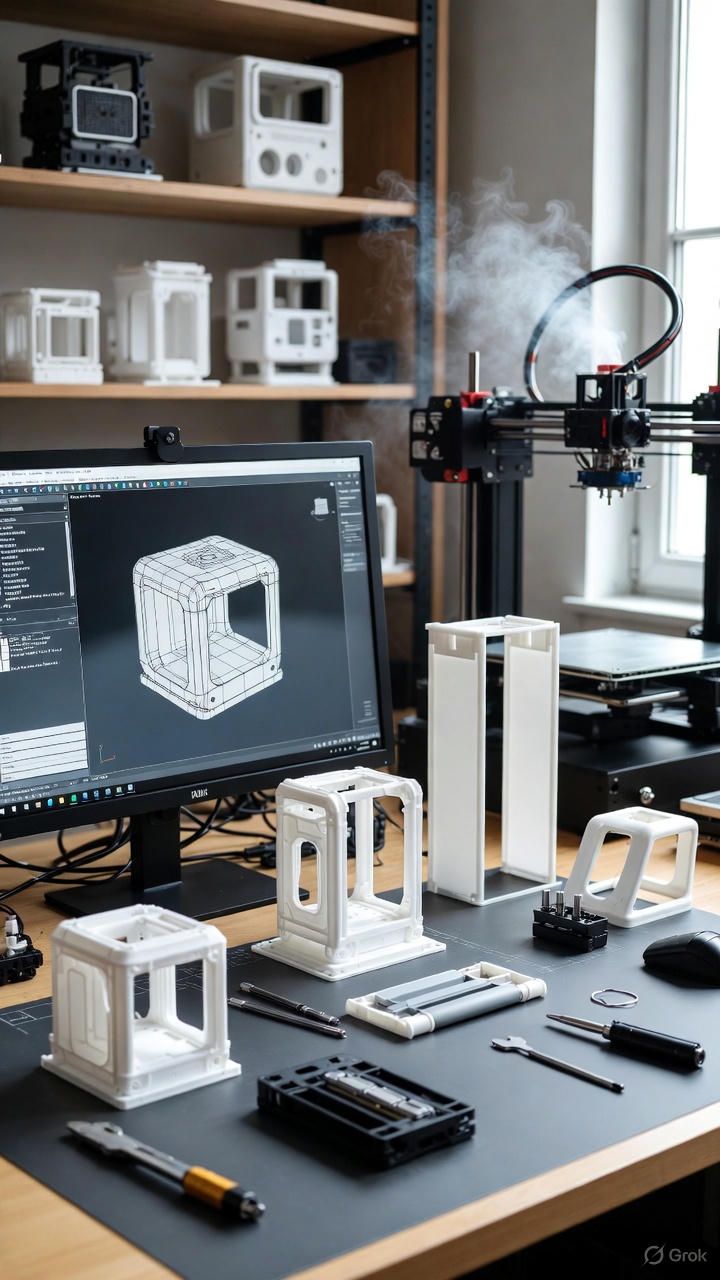
We create a 3D model in CAD software. Once the design is approved, we produce a physical prototype for review.
3D printing in ABS produces a physical model that can be reviewed before tooling is made. It is one way to check a design during prototyping.
Polymer injection molding
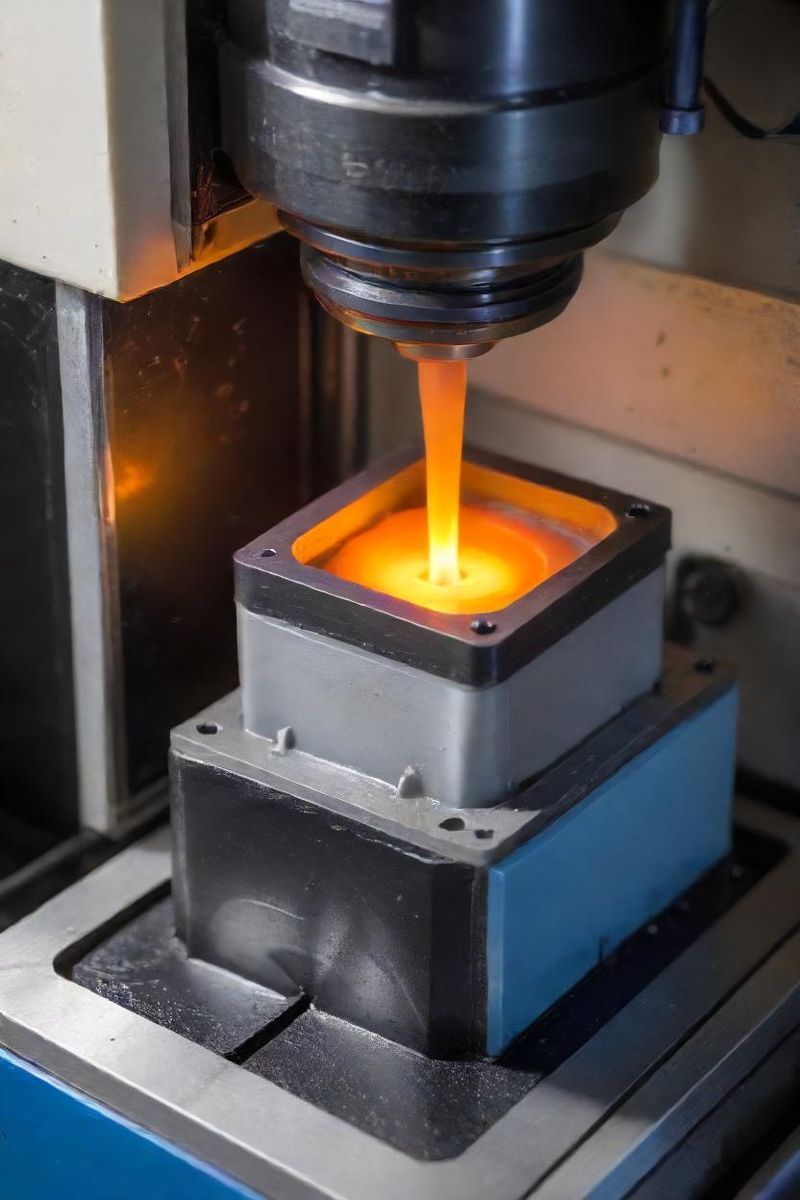
Injection molding is a process in which molten polymer is injected under pressure into a mold and cooled to form a part. Pressure during filling and cooling helps compensate for material shrinkage.
Injection molding is suited to production runs of plastic parts. It is used with thermoplastics and thermoplastic elastomers. Thermoplastics can be remelted and processed again; thermosetting materials undergo irreversible chemical changes as they cure and cannot be remelted.
The prepared material enters the heated barrel, where the screw mixes and melts it. The melt is injected through the runner system into the mold cavity. As it cools and solidifies, it takes the shape of the part.
We process a range of plastics, including:
Engineering plastics: polycarbonate (PC), polyoxymethylene (POM), polybutylene terephthalate (PBT), polyamide (PA), polysulfone (PSU), polymethyl methacrylate (PMMA), ABS, PC/ABS and SAN. Elastomers: thermoplastic polyurethane (TPU), thermoplastic elastomers (TPE) and polyurethane systems (PU). We also work with materials reinforced with glass fiber, carbon fiber or aramid fiber (Kevlar).
Injection molding can produce parts from a few milligrams up to 0.65 kg, with a range of wall thicknesses.
Injection and holding pressures are set for the material, mold and part geometry. The right settings help fill the mold and achieve the specified dimensions.
The injection mold is designed to match the part. For small runs, tooling with aluminum inserts may be an option; the right choice depends on the project.
How an injection molding machine works
TAGOR PLAST uses a Fanuc injection molding machine made in Japan. Its advantages include fast production and consistently high quality.
Machine settings, including clamping force and cycle parameters, are adjusted for the mold and part.
Injection mold design and manufacture
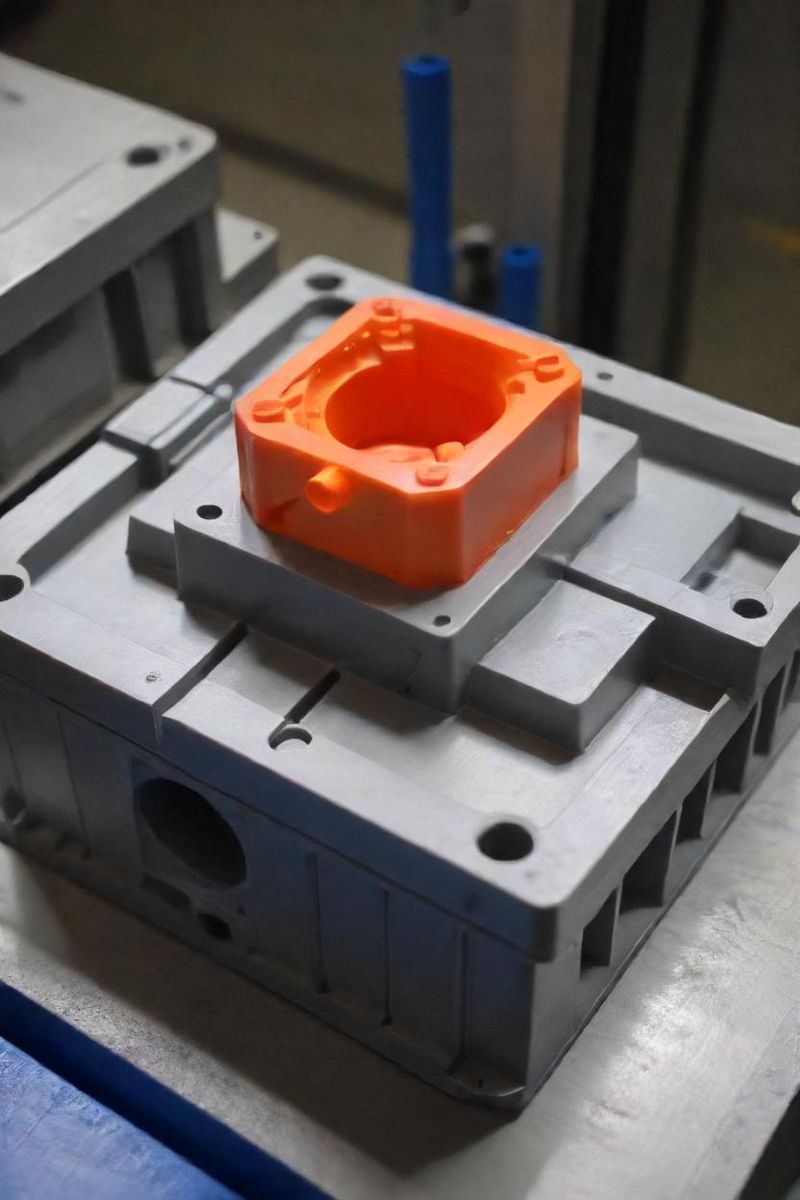
TAGOR PLAST designs and manufactures injection molds for plastic parts. Tooling materials and construction are selected for the project requirements.
For each project, we:
- Discuss the brief and prepare a cost estimate.
- Select a solution that meets the technical requirements and budget.
- Agree on the requirements for finished parts before production begins, then inspect the parts against them.
We also offer surface finishing, including coating, painting, printing on plastic and hot stamping.
How an injection mold is made
First, we create a 3D model of the product and design the mold around it. We refine the mold during the design stage, including the cooling channels and runner system. Precision machines produce each component. Some parts receive a wear-resistant coating before the mold is assembled and the mating surfaces are fitted.
Vacuum forming
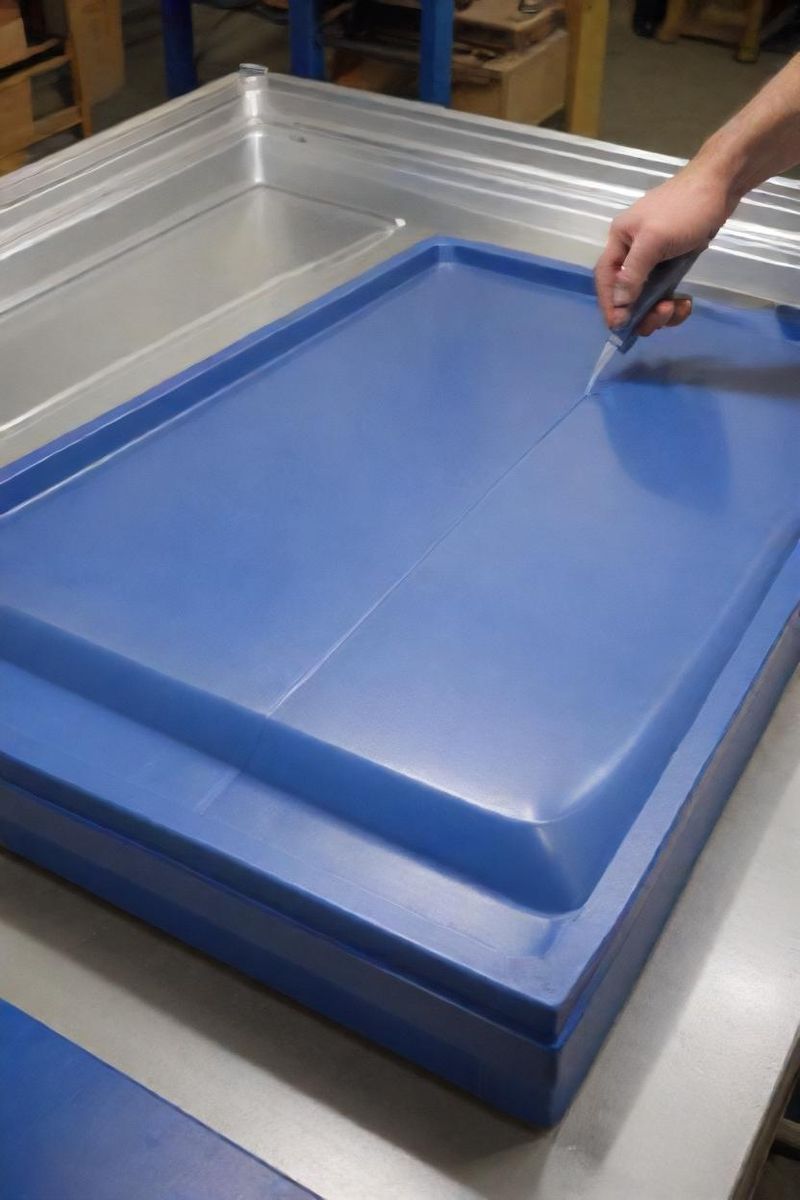
We make tooling for vacuum forming. A thermoplastic sheet is heated until pliable, then vacuum draws it against the mold. After cooling, the sheet retains the required shape.
Vacuum forming is suitable for a range of products made from plastic sheet. We design the tooling and produce parts to the project requirements.
We use our own forming machine. Tooling and forming costs depend on the material and part design. We agree on quality requirements and timing before work begins. If needed, we can make a part from a sample you provide.
You do not need a detailed technical brief to discuss a project. Tell our team what part you need, and we will help define the requirements. Custom tooling for vacuum forming is also available.
Composite product manufacturing
Composite materials combine the properties of their constituent materials. Their composition and design are selected to meet product requirements, such as strength, weight and operating conditions.
Depending on their composition and design, composite products may offer:
- High strength with low weight
- Long service life when used as specified
- Easy maintenance
- Resistance to mechanical loads and environmental conditions
- Compatibility with cleaning products selected for the material
- A design suited to the installation requirements
- A material composition selected for the operating environment
- Options for ergonomic shapes
- Sound-dampening properties, where required
- Fire resistance with suitable materials
The cost of a fiberglass part depends on its design, materials and production method. Composite materials are selected to provide the properties required for the part.
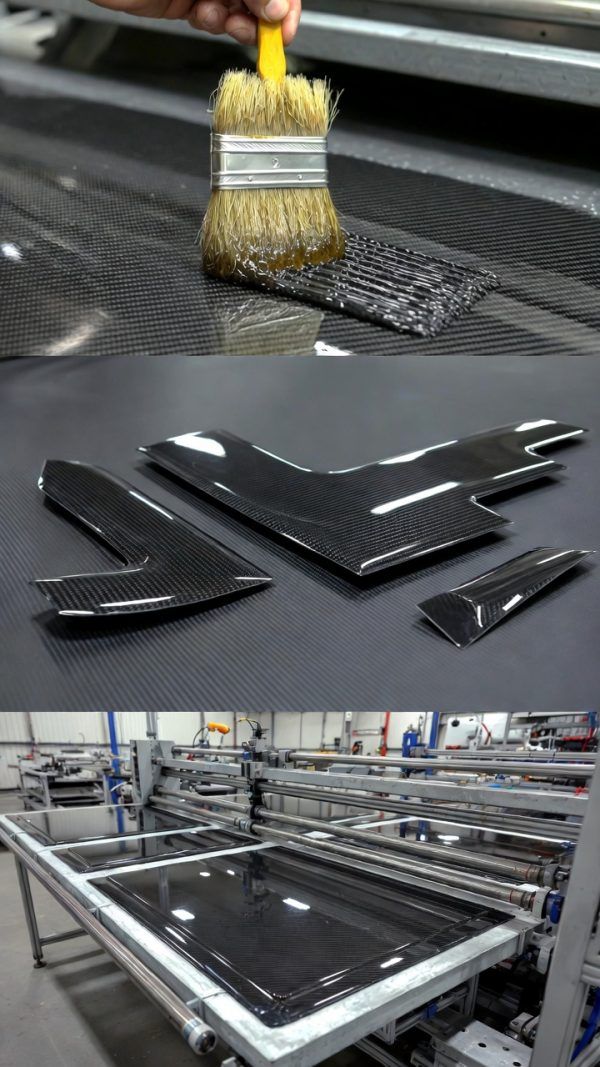
TAGOR PLAST manufactures epoxy-resin products reinforced with fiberglass, carbon fiber or Kevlar. We select the material composition and design to suit the project requirements.
Electrical discharge machining
EDM can machine conductive materials into complex contours and openings, including features that are difficult to reach with conventional tools. Depending on the part, it can be used for:
- Complex contours and profiles
- Narrow slots and small openings
- Machining hardened conductive materials
- Hard-to-reach features
- Machining without physical contact between the tool and part
- Producing parts to a specified geometry
The electrode is shaped for the task, allowing EDM to machine complex features and areas that are difficult to reach with conventional cutting tools.
TAGOR PLAST has equipment for EDM. We agree on the part requirements before machining and check the finished part against them.
The machining setup is selected for the material, part geometry and required tolerances.
Printing text, logos and images on plastic products
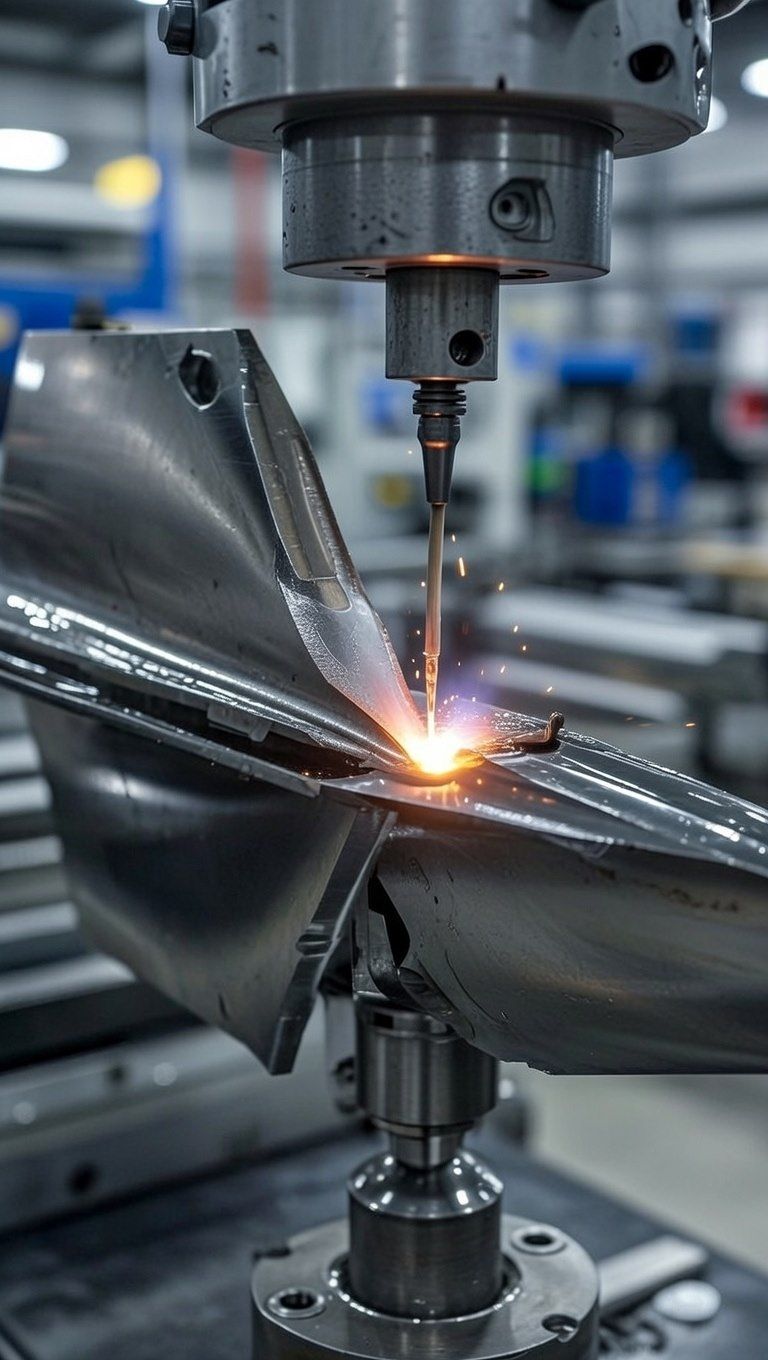
We print logos, labels and images on plastic packaging, promotional items and everyday products.
Printing can add a logo, product information or an image to a plastic part.
Printed text and images are used on packaging, retail displays, product samples and promotional items.
A logo on a product helps identify the brand and maintain a consistent visual identity.
We select the printing method and materials for the plastic type and conditions of use. Image durability depends on the chosen method. Tell us about the part, and we will recommend a suitable option.
Precision laser welding
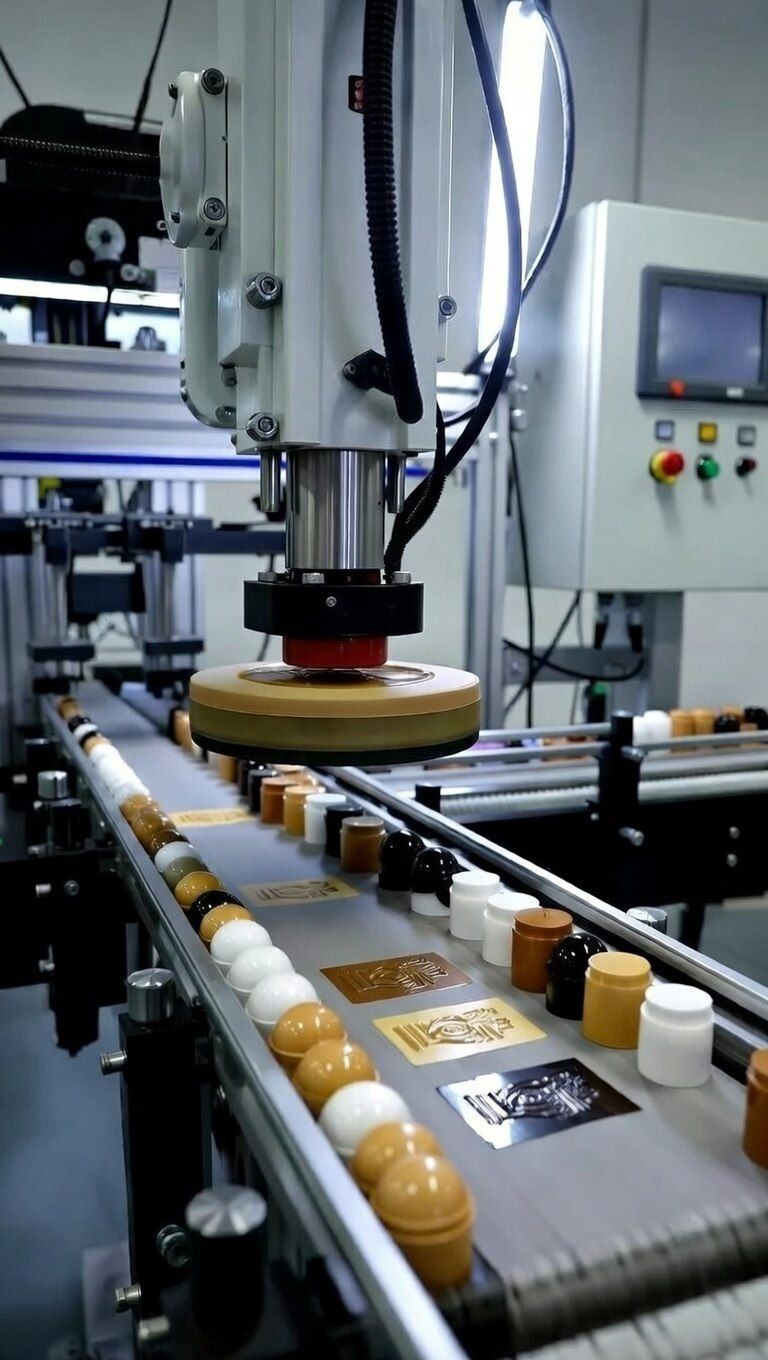
TAGOR PLAST provides precision laser welding for metal parts with complex shapes. The process uses a focused laser beam and precision machinery.
Depending on the part and materials, precision laser welding can provide:
- A narrow weld seam
- Welding in hard-to-reach areas
- A limited heat-affected zone
- Reduced distortion after welding
- Joining thin and thick components without prior edge preparation or preheating
- Welding of parts with complex geometries
- Reduced risk of damage to nearby coatings
- A neat weld finish
- Corrosion resistance determined by the material and welding process
- The option to weld without filler material
Precision laser welding is suited to applications that require a narrow, localized weld. Whether it is suitable for medical or dental equipment depends on the material, design and product requirements.
Assembly and finishing
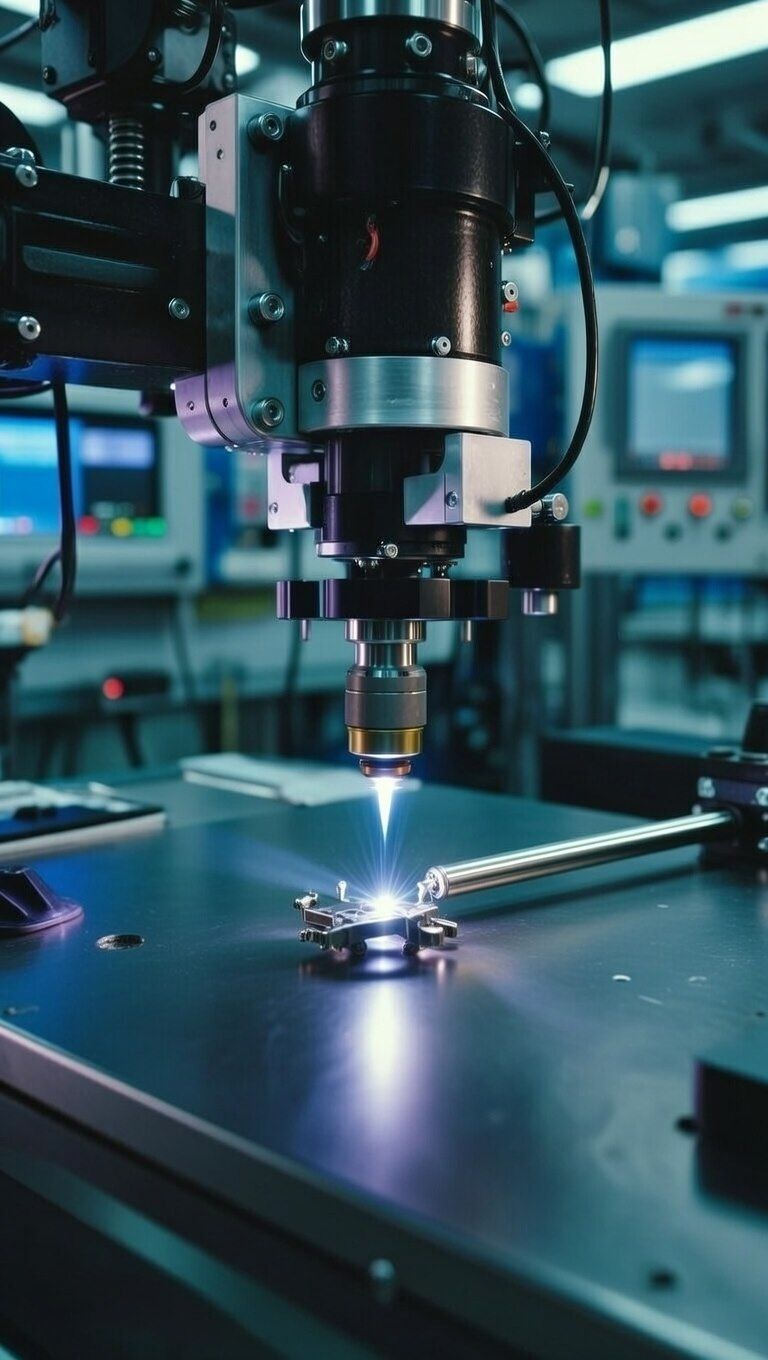
We assemble finished products from their individual components.